The landscape of work is undergoing a significant transformation driven by the relentless advancement of Artificial Intelligence (AI). No longer confined to science fiction, AI is rapidly changing how we approach tasks, manage businesses, and even define success in the workplace. This article explores the evolving role of AI in the future of work, examining its impact on various industries and job roles, and how humans and machines can collaborate for a future filled with possibilities.
The Rise of the Intelligent Workforce
AI encompasses a vast array of technologies, including machine learning, natural language processing, computer vision, and robotics. These technologies are rapidly maturing, enabling machines to learn from data, analyze complex situations, make informed decisions, and even perform tasks once thought to be exclusively human. From self-driving cars navigating city streets to AI-powered algorithms composing music, the capabilities of intelligent machines are blurring the lines between human and machine capabilities.
This rise of intelligent machines presents both challenges and opportunities for the future of work. Here’s how specific industries and job roles are being reshaped by AI:
Industry Transformation Through AI
Manufacturing AI is automating repetitive tasks on factory floors, with robots handling assembly lines, conducting quality control checks, and optimizing logistics. While this improves efficiency and production output, some manufacturing jobs might be replaced or require reskilling.
Retail AI-powered chatbots allow for 24/7 customer service, analyze shopping patterns for personalized recommendations, and even optimize product placement within stores. While cashier jobs might decrease in demand, AI creates new roles for data analysts and marketing specialists who leverage AI-driven insights.
Healthcare AI is revolutionizing diagnostics with algorithms analyzing medical images to detect diseases at earlier stages. AI-powered virtual assistants can handle appointment scheduling and basic consultations, freeing up doctors’ time for more complex cases. Healthcare professionals will see their roles evolve, with new opportunities in AI development and human-machine collaboration.
Finance Algorithmic trading in the financial sector is becoming increasingly common, with AI analyzing vast datasets to make investment decisions. AI can also automate tasks like loan processing and fraud detection. This might lead to fewer manual data entry jobs, but create a demand for specialists who understand AI-driven financial systems and can monitor their ethical implications.
Customer Service AI-powered chatbots can handle routine customer inquiries, freeing up human agents for more complex issues. AI can also analyze customer sentiment, enabling businesses to improve their services and personalize the customer experience. While some call center jobs might be affected, AI creates opportunities for customer experience designers and specialists who build and manage these AI systems.
These are just a few examples of how AI is transforming industries, and the impact of AI will be felt across various sectors.
The Power of Human-Machine Collaboration
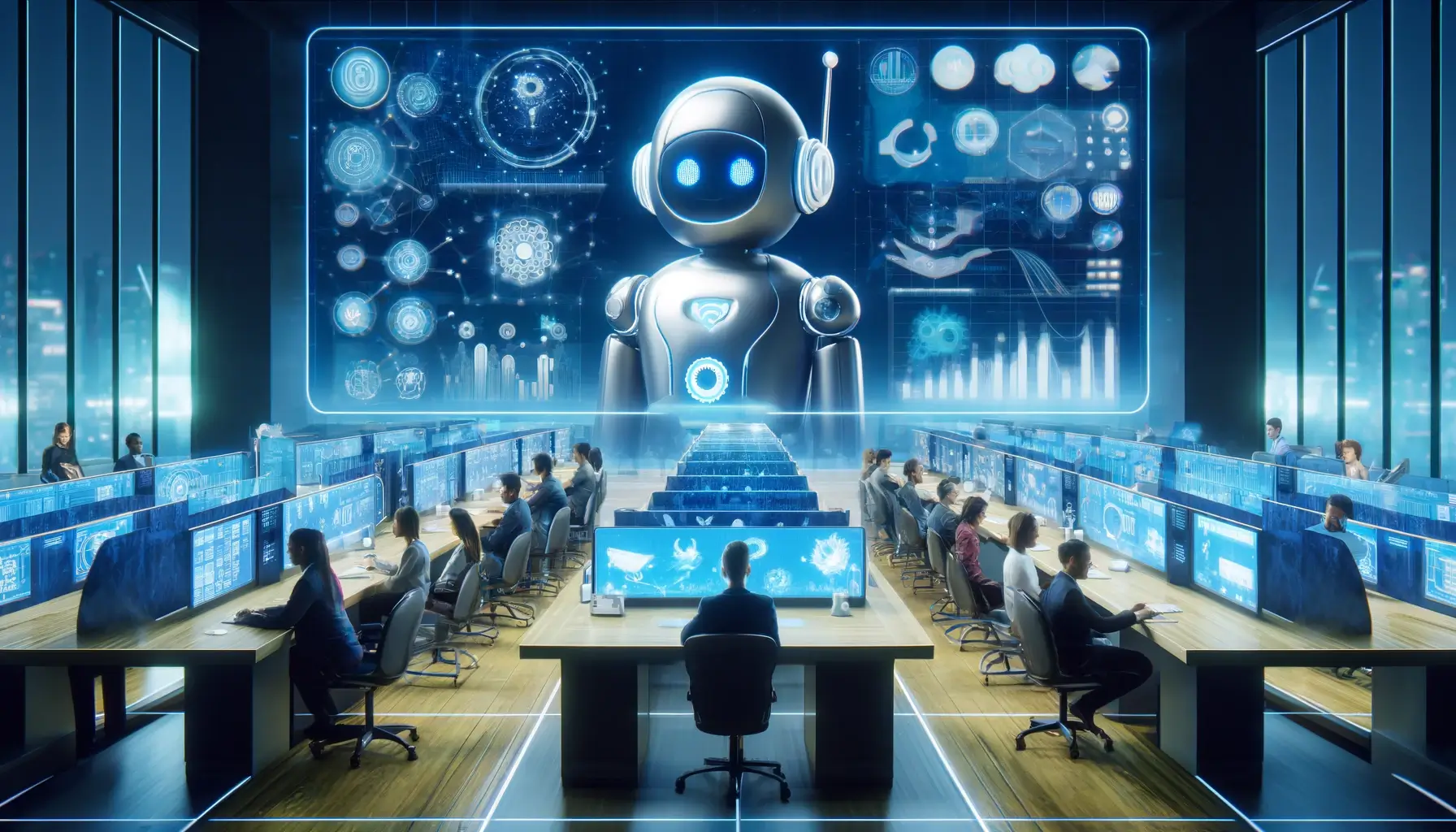
The future of work will likely involve a more symbiotic and collaborative approach between humans and machines. AI excels at tasks requiring data analysis, pattern recognition, and repetitive execution. Humans bring creativity, critical thinking, problem-solving skills, and emotional intelligence. By leveraging the strengths of both AI and human capabilities, we can achieve exceptional results.
Here are some potential benefits of a human-machine collaboration:
- Increased Efficiency: AI can automate repetitive tasks, allowing human workers to focus on higher-level activities requiring creativity and strategic thinking.
- Enhanced Decision-Making: AI can analyze vast amounts of data to identify patterns and provide valuable insights for better decision-making.
- Improved Productivity: Human-machine collaboration can boost productivity, with AI handling time-consuming tasks and humans focusing on core competencies.
- Reduced Errors: AI can minimize human error in tasks prone to mistakes, improving overall quality and efficiency across various processes.
The Evolving Skillset Landscape
As AI continues to transform industries, the skillsets required for success in the job market will also evolve. Here are some key skills that will be increasingly valuable in the future:
- Technical Skills: While not everyone will need to be a programmer, understanding basic AI concepts and how to work with AI-powered tools will be advantageous.
- Data Literacy: The ability to interpret data, identify patterns, and draw insights will be crucial for various roles.
- Critical Thinking and Problem-Solving: AI excels at automation, but human expertise will be essential for tackling complex problems requiring creativity and out-of-the-box thinking.
- Adaptability and Continuous Learning: The future of work will demand ongoing learning and the ability to adapt to new technologies and changing job requirements.
- Communication and Collaboration: Effective communication and collaboration skills will remain essential for teamwork, especially in a human-machine working environment.
- Soft Skills: Empathy, emotional intelligence, and the ability to build relationships will be crucial as AI handles more routine tasks.
The Role of DistinctionAI in Your AI Journey
At DistinctionAI, we understand the complexities of AI integration within your business. We offer a comprehensive suite of services tailored to guide you through this transformation:
- Identifying AI Opportunities: Our AI experts will conduct an in-depth analysis of your business operations, data assets, and overall goals to identify areas where AI can deliver maximum impact.
- Building the Right AI Solution: Our team specializes in crafting custom AI solutions tailored to your needs and challenges, focusing on seamless integration within your existing workflows and infrastructure.
- Making Sense of Your Data: Our data analytics services delve into your data to extract valuable insights, helping you train your AI models effectively.
- Streamlining Operations: We design automation solutions that optimize workflows, improve efficiency, and free up human resources for higher-level tasks.
- Ongoing Support and Expertise: Our partnership doesn’t end with implementing your AI solution. We offer ongoing support to ensure your AI systems continue to function optimally and adapt to changing data and business needs.
By partnering with DistinctionAI, you’ll gain access to a team of experts who can guide you through every step of your AI journey.
Conclusion: The Future of Work is Human and Machines Together
The future of work holds immense potential for growth and innovation as AI transforms industries and reshapes job roles. By embracing AI as a collaborator rather than a competitor, businesses can unlock new levels of efficiency, productivity, and customer satisfaction. At DistinctionAI, we are passionate about empowering businesses to navigate this exciting future confidently. We believe that the human-machine partnership will be the driving force behind groundbreaking advancements in all sectors.